All Categories
Featured
Understanding How Indexed Universal Life Policies Secure ...

Understanding 2026 Medicare Benefit Options and Seniors

Understanding How Indexed Universal Life Policies Secure Retirement
The survivor benefit is the quantity of cash your beneficiary gets after you pass away. With IUL policies, the death benefit might be decreased by the quantity of any cash worth withdrawals or cash value loans you secured but didn't pay back. This survivor benefit is usually not taxable for your heirs. They both provide coverage for life and feature a survivor benefit and money value component that grows in time. Whole life offers more predictability due to the fact that the premiums and death advantage remain the same, and your cash worth grows at a set rate that will not decrease. You might have lower premiums with fewer charges compared to an IUL, though you can't change
Appeal IRMAA Surchargepremiums or control the cash worth financial investment. The floor on the indexed part of your cash value safeguards versus market swings. And due to the fact that the policy isn't directly invested in the stock market, your risk is reduced. You have the option of adjusting your premiums and death benefit while the policy is in force. You can likewise allocate your money value to different sub-accounts and potentially select where the indexed account invests. Your beneficiaries likewise receive a survivor benefit that isn't typically based on income or estate taxes. You may withdraw or obtain from your money worth anytime without charge. IUL policies do not limit just how much you can contribute each year, allowing you to experience more growth if you want to contribute more. Caps and maximum participation rates restrict the amount of interest you can earn in your indexed account. Your insurance company doesn't straight buy stocks, so you won't gain from dividends paid to investors. Insurer charge costs for managing your account, which can consume into your cash worth. If you withdraw cash that consists of financial investmentgains before your policy grows, you might need to pay earnings taxes on the funds. The cost of an indexed universal life insurance policy differs, depending upon factors like your age, where you live, your health and the protection amount you choose. However normally, indexed universal life insurance policies cost more than term life insurance coverage since they consist of a money value account and never everend. According to one quote, a healthy, nonsmoking 34-year-old female might pay in between$71 and $96 a month for an indexed universal life policy, presuming$250,000 of protection. The very same person may pay$32 to$44 a month for a term life policy and between $177 and$245 per month for a whole life policy.
Appeal IRMAA Surcharge
You may not need a life insurance policy after you have actually paid off your debts and saved for your huge monetary goals, like retirement and your kid's college education. In these situations, a term life insurance coverage policy with a separate retirement fund and other savings cars may offer what you need, and at a lower price tag. When you have a few quotes, you need to: Compare protection limits, estimated regular monthly payments and administrative or management fees that come with each policy.
These are complicated policies that may need some oversight, so it is necessary to deal with a monetary organizer or another licensed specialist before choosing one. You might also compare IUL policies versus other kinds of life insurance to see what works best for your scenario. Depending upon who you ask, indexed universal life (IUL) insurance is either a powerful wealth-building strategy or an excessively complicated insurance coverage product that assures more than it provides. The fact could lie someplace in the middle . An IUL is very first and primary a life insurance coverage policy. Like other permanent life insurance items, it can provide long-lasting protection and build cash worth gradually. Instead of making a fixed interest rate, it's tied to the efficiency of a stock market index, such as the S&P 500. Here's how indexed universal life insurance coverage works, who it might be a great fit for, and what to understand before purchasing a policy. Indexed universal life insurance is a type of permanent life insurance that combines a death advantage with a money worth account. Unlike entire life insurance, which credits your money value at a set interest rate, an IUL ties your money value growth to the performance of a market index, such as the S&P 500, the Dow Jones Industrial Average, or the Nasdaq Composite(for this reason the "indexed"part of the name). Every premium payment you produce a UIL policy is generally split three ways: As with all money value life insurance coverage, you may have the ability to obtain versus your balance, withdraw funds, and even use it to help cover future premiums. Rather, the insurance provider utilizes the index as a standard to determine how much interest to credit to the money worth part of your policy. If the index carries out well, your money worth may make more interest. If the index has a bad year, your credited interest might be lower(sometimes even 0%), depending on your policy's terms. If your policy credits the.
Exploring IUL Cash Value Strategies
complete 10%, your cash worth might make about $5,000 in interest before costs and policy charges. When you hear that an IUL's cash value is linked to the stock exchange, you might assume you'll make whatever the marketplace earns. But that's seldom how it works. A cap is the optimal interest your policy can earn during a crediting duration. You can usually discover your cap in your policy illustration or documents.
Even though the index increased by 15 %, your policy would only be credited 10 % before costs and other policy charges. If your policy has an 80 %participation rate and the index increases 10%, you would get 8%interest (80%of the index's gain), assuming no cap limits the return. Many indexed universal life policies let you pick in between 2 types of death benefits: Your beneficiaries receive a fixed death benefit throughout the life of the policy.

Latest Posts
Understanding How Indexed Universal Life Policies Secure Retirement
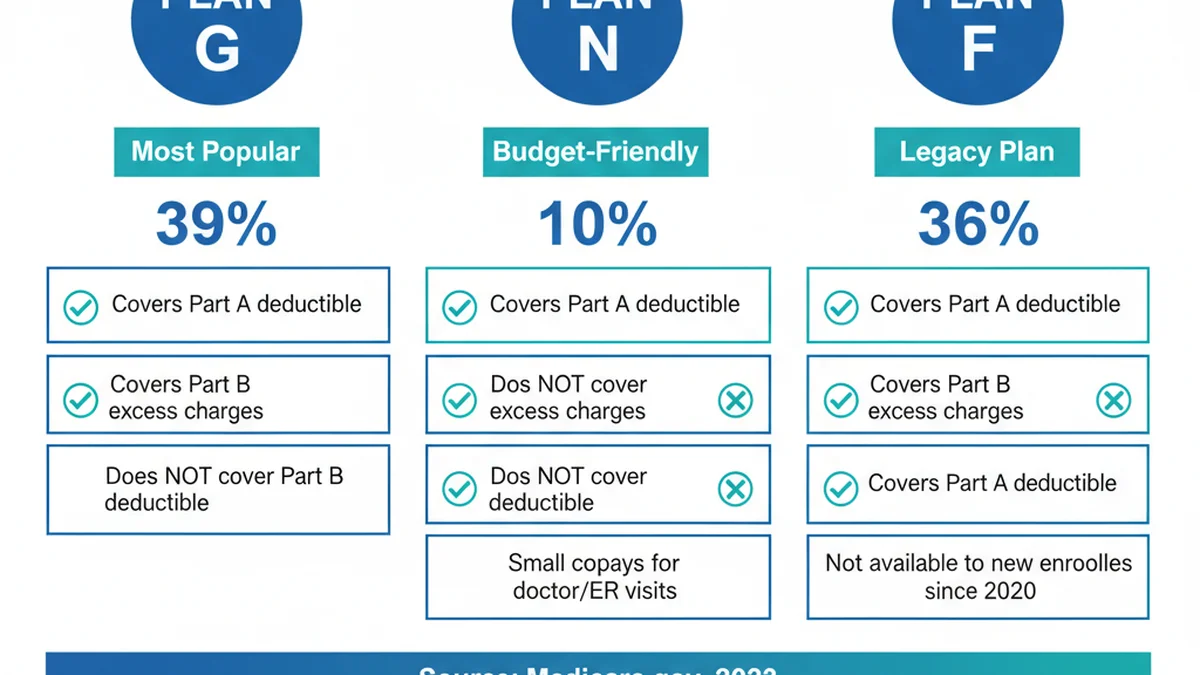
A Complete Guide to 2026 Medicare Benefits

How Term Life Protects Family Wealth